
Taking care of a pet is not just about feeding and annual veterinary visits. For several years, we have observed an expansion in the scope of care, now integrating mental health, chronic stress management, and sensory approaches that were previously marginal. This article details the areas of care that mainstream content often overlooks or ignores.
Animal Mental Health: A Pillar of Care to Formalize
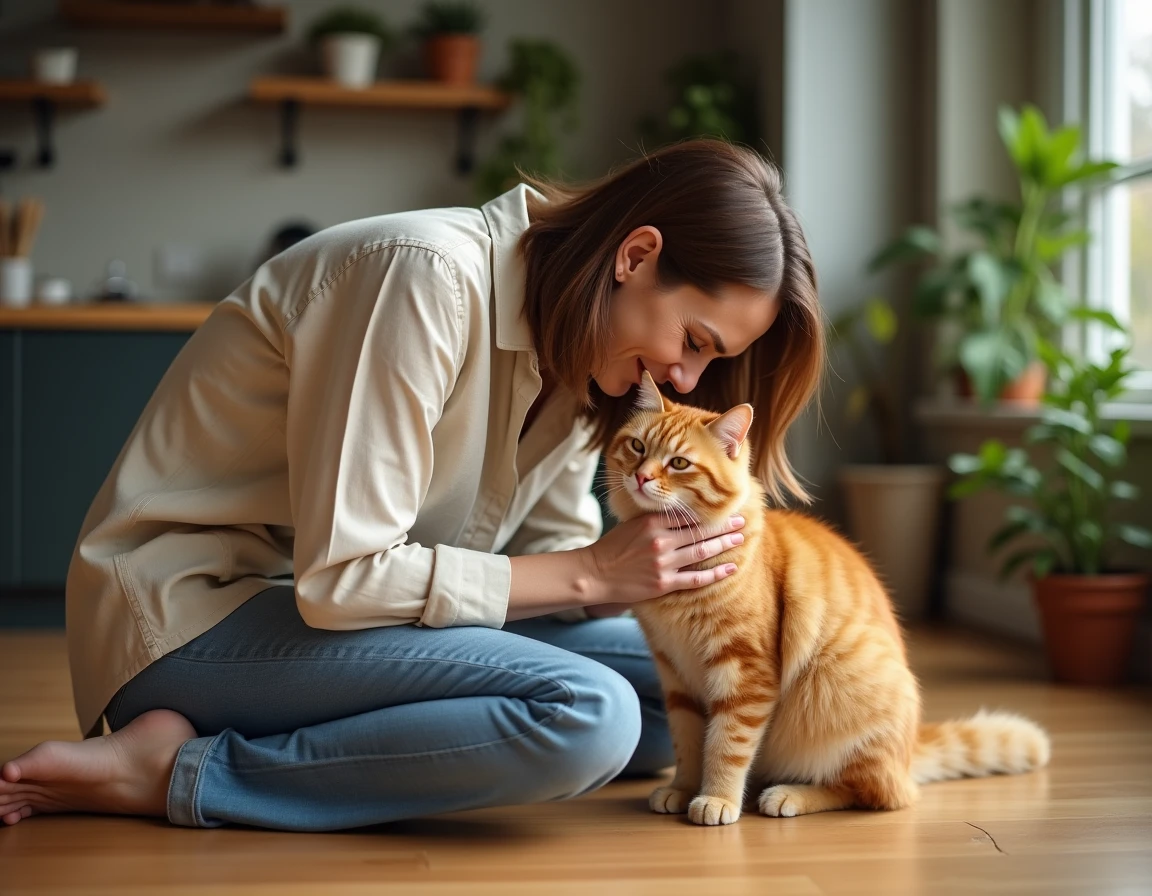
The recent structuring of animal welfare into five pillars explicitly including mental health changes the game for dog and cat owners. Alongside nutrition, physical health, environment, and behavior, preventing boredom, fears, and frustration becomes a legitimate care objective.
In practical terms, this involves enriching the living environment. An indoor cat without access to high observation points, without toy rotation or olfactory stimulation develops compulsive behaviors (excessive licking, urination outside the litter box). For a dog, predictability in daily life (stable meal times, identifiable walking sequences) reduces circulating cortisol much more effectively than an emergency-prescribed anxiolytic.
We recommend integrating structured play routines that are species- and breed-appropriate. For working dogs (herders, retrievers), ten to fifteen-minute scent search sessions engage the cognitive system without generating overexcitement. The resources available on animalya.fr allow for a deeper exploration of these approaches for different profiles of pets.
Animal Wellness Centers: Hydrotherapy, Olfactotherapy, and Sensory Care

The rise of specialized wellness centers for pets marks a break from the binary veterinary/groomer model. Structures like Terre Happy Pet’s offer massages, hydrotherapy, olfactotherapy, and music therapy targeting stress management, chronic pain, and gentle post-operative rehabilitation.
These treatments do not replace veterinary follow-up, but they fill a gap between curative medicine and the daily life of the animal. An elderly arthritic dog that receives regular hydrotherapy sessions maintains a range of motion that the mere prescription of anti-inflammatories does not sustain over time.
Olfactotherapy, still little known to owners, uses specific essential oils (true lavender, valerian) in controlled diffusion to reduce separation anxiety in dogs. The protocol requires appropriate ventilation and very low concentrations, as a dog’s olfactory threshold is incomparably lower than that of humans. A dosage intended for a human relaxation salon would be toxic for an animal.
Criteria for Selecting a Sensory Care Center
- Check for the presence of a referring veterinarian or a formal partnership with a clinic, ensuring medical follow-up in case of adverse reactions
- Require a behavioral assessment prior to any session, as an animal fearful of contact will gain no benefit from a massage without gradual desensitization
- Ensure that the center adapts its protocols to the species (cats require a calm environment, without simultaneous canine presence, and shorter sessions)
Parasite Prevention and Hygiene Care: Common Technical Mistakes
The majority of dog and cat owners apply an external antiparasitic, but the timing and protection spectrum are often poorly calibrated. A standard monthly flea treatment does not cover ticks in high-pressure areas (underbrush, wet meadows). Conversely, a combined flea-tick-worm treatment applied year-round on a strictly indoor cat represents unnecessary chemical overload.
We recommend adapting the protocol to the animal’s actual lifestyle. A hunting dog exposed to sandflies in the Mediterranean region has different needs than a Parisian bulldog that goes out for twenty minutes a day.
Oral Hygiene: The Most Neglected Care
Tartar affects the vast majority of dogs and cats over three years old. The consequences go beyond bad breath: chronic gum infection promotes endocarditis and kidney damage. Dental scaling under general anesthesia remains the reference treatment, but regular tooth brushing (two to three times a week with a veterinary enzymatic toothpaste) significantly slows tartar formation.
Chew strips and dental toys are a supplement, not a substitute. Their effectiveness depends on the size of the strip relative to the animal’s jaw: if too small, it is swallowed without mechanical friction on the teeth.
Pet Nutrition: Beyond the Choice of Kibble or Wet Food
The debate over kibble versus wet food masks the real nutritional questions. What matters is the analytical composition and its suitability for the animal’s physiological stage.
- A growing kitten has protein and calcium needs far exceeding those of a neutered adult cat, which conversely requires reduced caloric intake to avoid obesity
- BARF diets (raw feeding) appeal to many dog owners but expose them to calcium-phosphorus imbalances if the ration is not formulated by a veterinary nutritionist
- Dietary supplements (salmon oil, probiotics) do not compensate for an inadequate basic diet and may interact with certain medications
Any dietary change should occur over a transition period of seven to ten days, gradually mixing the old and new food. A sudden switch causes digestive issues unrelated to the quality of the new food, which many owners mistakenly interpret as an intolerance.
Monitoring weight remains the most reliable indicator. A monthly weigh-in, plotted on a graph, allows for the detection of weight gain or loss before it becomes visible to the naked eye. Scales available in veterinary clinics are accessible without an appointment in most facilities.