1952. The American army receives its first bags stamped Eastern Canvas Products. Three-quarters of a century later, Eastpak labels display Vietnam or Bangladesh, far from the original workshops. Between military heritage, industrial shift, and ecological expectations, the path of the cult backpack is unlike any other.
From military origins to urban icon: how Eastpak established itself in the backpack world
The Eastpak saga takes root in post-war America, driven by Monte Goldman and his company Eastern Canvas Products USA Inc. At the time, the goal was to equip soldiers with bags that were both sturdy and discreet. This demand for durability would shape the brand’s culture. But everything changed in the 1970s: Mark Goldman, the founder’s son, decided to turn to the streets. He envisioned a bag that would become legendary, the Padded Pak’r, instantly recognizable for its compact shape and formidable resistance.
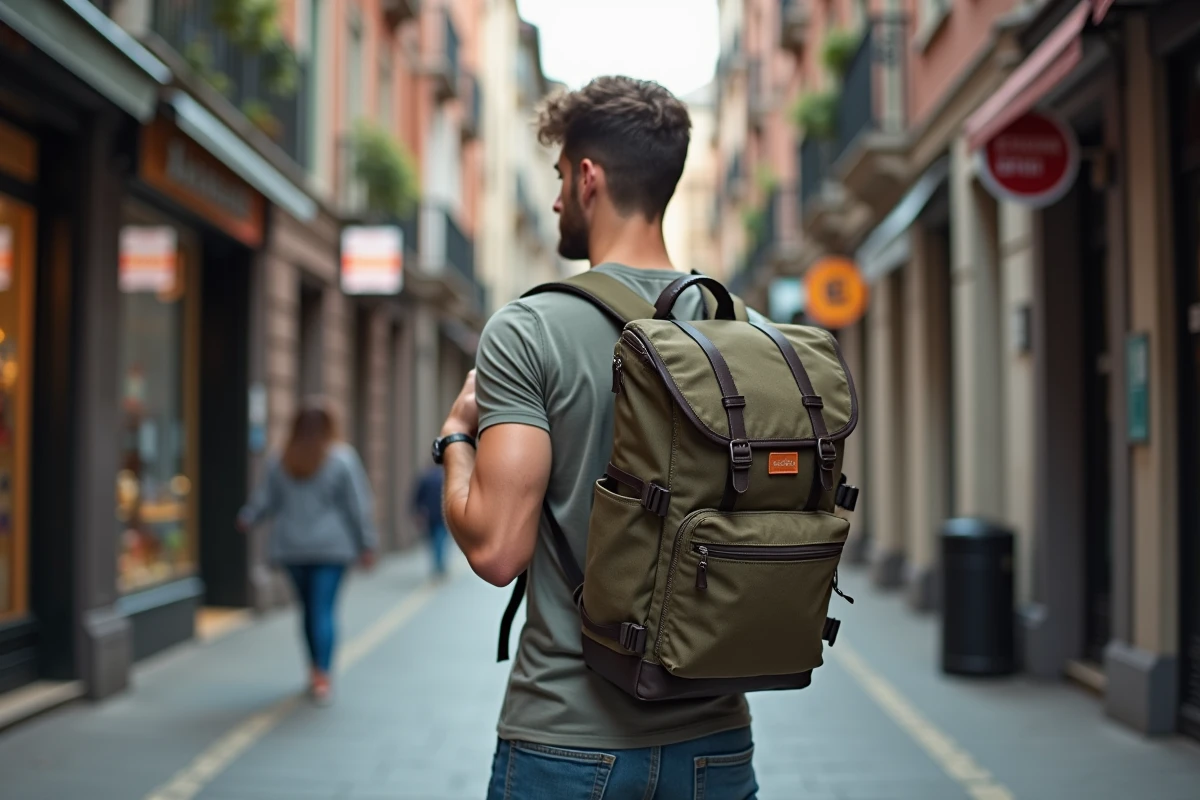
From then on, the Eastpak backpack established itself in the hallways of American universities, then conquered France, where it became a symbol on the shoulders of high school students and young professionals. Why this success? The answer lies in both the choice of high-performance textiles, ballistic nylon, Cordura, polyester, and a promise: to last, to accompany all lifestyles, without faltering.
But Eastpak does not stop at the boundaries of school or office. The brand also captivates the music scene, makes its mark in fashion, and multiplies unexpected collaborations. Its bags have been reimagined by designers like Jean Paul Gaultier and Raf Simons, while limited editions are highly sought after by collectors. Even cinema has embraced it: the Padded Pak’r appears on the back of the hero in “Back to the Future.” The thirty-year guarantee is not just a marketing argument: it symbolizes a nearly militant commitment to sustainability. To delve deeper into the evolution of production and industrial choices, the article origin and manufacturing countries of Eastpak dissects the brand’s behind-the-scenes and the stakes of its global locations.
Where are Eastpak bags actually made? A look at the countries, workshops, and industrial choices
Where are Eastpak backpacks born today? The brand has left Massachusetts to set up its production lines in Asia, mainly in Vietnam and China. This choice is not trivial: it reflects an industrial strategy designed to meet global demand without inflating costs. The selected workshops are anything but generic: they bring together workers trained on specialized textiles, ballistic nylon, Cordura, polyester, sometimes mixed with leather for premium models.
To shed light on the reality of this manufacturing, here are the key points that structure current production:
- Asian workshops benefit from strict specifications, with a quality control that tolerates no deviation.
- The materials used are chosen for their durability, lightness, and ability to withstand daily wear.
- The European headquarters, based in Belgium, drives the strategy, coordinates audits, and fosters technical innovations to stay ahead.
Far from the image of simple assembly, the making of an Eastpak bag involves international logistics: European design, Asian manufacturing, global distribution. The result: the same bag spotted in the Paris metro, on a Canadian campus, or in a Japanese train station comes from the same lines, with the same quality control at every stage.
Ethical and environmental issues: what the manufacturing of Eastpak bags reveals about the brand today
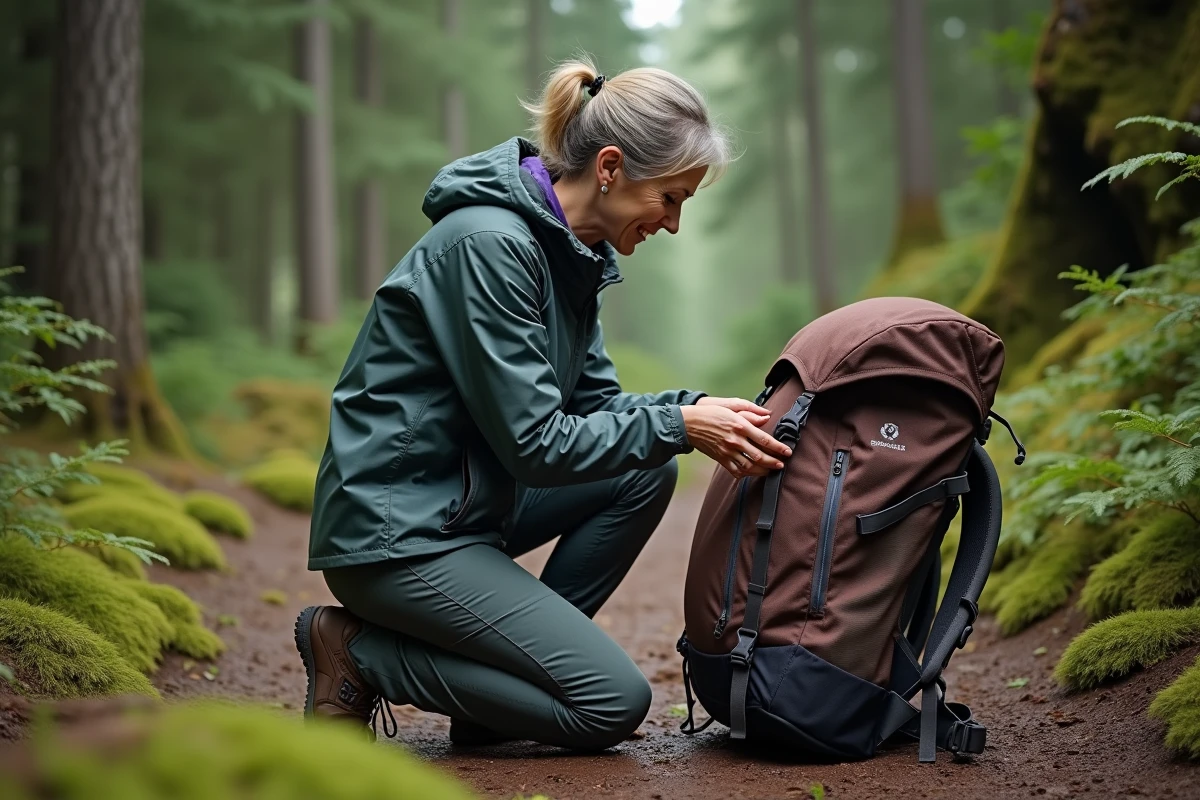
Manufacturing on a large scale does not exempt from fundamental questions. The brand knows this: today, every consumer wants guarantees about the ethics and impact of what they buy. Eastpak openly claims its commitments through labels like SA8000 (respect for human rights) or its membership in the Fair Labor Association (international labor standards). Behind these acronyms lies the desire to ensure total traceability, from material selection to the last stitch.
The brand has also embraced recycled materials, integrating textiles from recycling streams into its backpacks and accessories. It publicly displays its carbon offset strategy, attentive to the ecological footprint of each step. These efforts translate into a choice of more responsible fabrics, an always extra-long guarantee (thirty years), and a design intended to last. Buying an Eastpak today is betting on reducing disposable consumption.
Sociologist Patrice Duchemin, a consumption specialist, emphasizes that the durability and quality of life promised by these products now weigh heavily in purchasing decisions. Behind the sturdiness and style lies a search for coherence: to harmonize daily use, ethical respect, and environmental concern. The question tomorrow will no longer be just “where is my bag made?”, but “why this choice of manufacturing, and for what values?”.