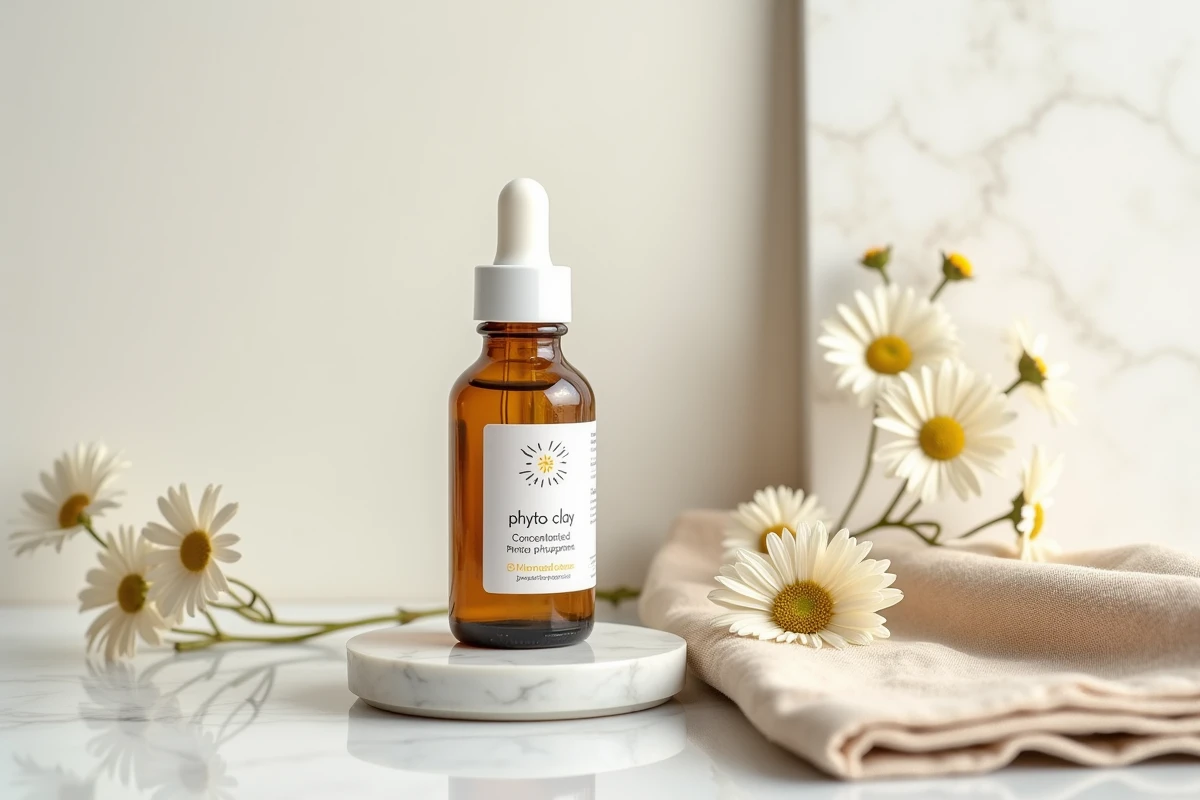
Phytargile concentrated is based on a blend of clay and plant extracts formulated for local application on painful joint or muscle areas. The question of the onset time consistently arises in pharmacies, and the answer depends less on the product itself than on the type of pain targeted.
Acute or chronic pain: the factor that determines the onset time of Phytargile
The most underestimated parameter in feedback remains the nature of the pain treated. For acute pain (recent sprain, awkward movement, post-effort contraction), relief may begin to appear within the first few hours following application. The concentrated clay then acts through thermal and mechanical effects on the affected area.
For chronic pain such as established osteoarthritis or recurrent lower back pain, the mechanism differs. Improvement is generally only reported after several days of regular applications, sometimes a week or more. The reason lies in the degenerative component: the clay does not address the structural cause but rather the peri-articular comfort.
In practice, we observe that users who give up after two applications for knee osteoarthritis miss out on the protocol that is truly necessary. The analysis proposed by Phytargile concentrated in pharmacy Vista Santé confirms this distinction between acute and chronic pain in terms of perceived timing.
Phytargile concentrated or anti-inflammatory ointment: criteria for choice in pharmacy

The common reflex is to pit Phytargile against gels based on NSAIDs (diclofenac, ketoprofen) or salicylate derivatives. This comparison is misleading, as the indications do not overlap.
- Phytargile concentrated is more suitable for mechanical and localized pain without major visible inflammation: resting knee osteoarthritis, morning stiffness, mild lower back pain related to posture or effort.
- Classic anti-inflammatory ointments remain more relevant when an inflammatory process is evident, with redness, local heat, and swelling. In this case, the pharmacological mechanism (inhibition of cyclooxygenases) provides a quicker response to the inflammatory component.
- In immediate post-traumatic situations (sprain with edema, visible bruise), clay can be used as a complement but does not replace a topical anti-inflammatory prescribed by a healthcare professional.
The choice between the two is therefore not based on raw onset time but on the dominant mechanism of the pain. Phytargile is not intended to treat an established acute inflammation.
Application protocol and common mistakes that delay effects
The majority of disappointing feedback we encounter stems from improper use. The thickness of the applied layer, the duration of application, and the regularity directly condition the result.
For mechanical pain, the layer must be thick enough to maintain prolonged contact with the skin without drying too quickly. A thin application that cracks after a few minutes loses most of its potential. The recommended application duration by manufacturers generally hovers around one to two hours, but for a deep joint like the knee or hip, we recommend extending it if the product remains moist.
Another frequent mistake: spacing applications several days apart in hopes of a cumulative effect. Daily regularity over a minimum period of five to seven days is the pattern that generates the most positive feedback for chronic pain. Stopping after two days amounts to judging an incomplete protocol.
Note: the temperature of the poultice influences the immediate sensation. A cold application is better suited in the presence of local heat or swelling, while a warm application improves comfort for pure mechanical stiffness.
Reimbursement of Phytargile concentrated: what your mutual insurance actually covers
Phytargile concentrated is not covered by Health Insurance. This point remains unknown to pharmacy buyers who sometimes expect partial coverage under medical devices.
Some complementary health plans include this type of product in “alternative medicine” or “self-medication” packages, but the conditions vary significantly from one contract to another. Before purchasing several tubes for a multi-week protocol, checking with your mutual insurance whether an annual package covers this category of products helps avoid an unanticipated expense.
The overall cost of a complete protocol (daily application for one to two weeks) remains moderate compared to sessions of physiotherapy or osteopathy, but the question of reimbursement should be raised at the time of purchase in the pharmacy.
The perceived onset time of Phytargile concentrated primarily depends on the diagnosis made regarding the pain. An appropriate protocol for the type of pain, applied regularly, remains the only reliable lever to achieve a tangible result. In case of doubt about the origin of the pain, a prior medical opinion prevents wasting time on a poorly targeted product.